
Colonoscopy Overview

What Is a Colonoscopy?

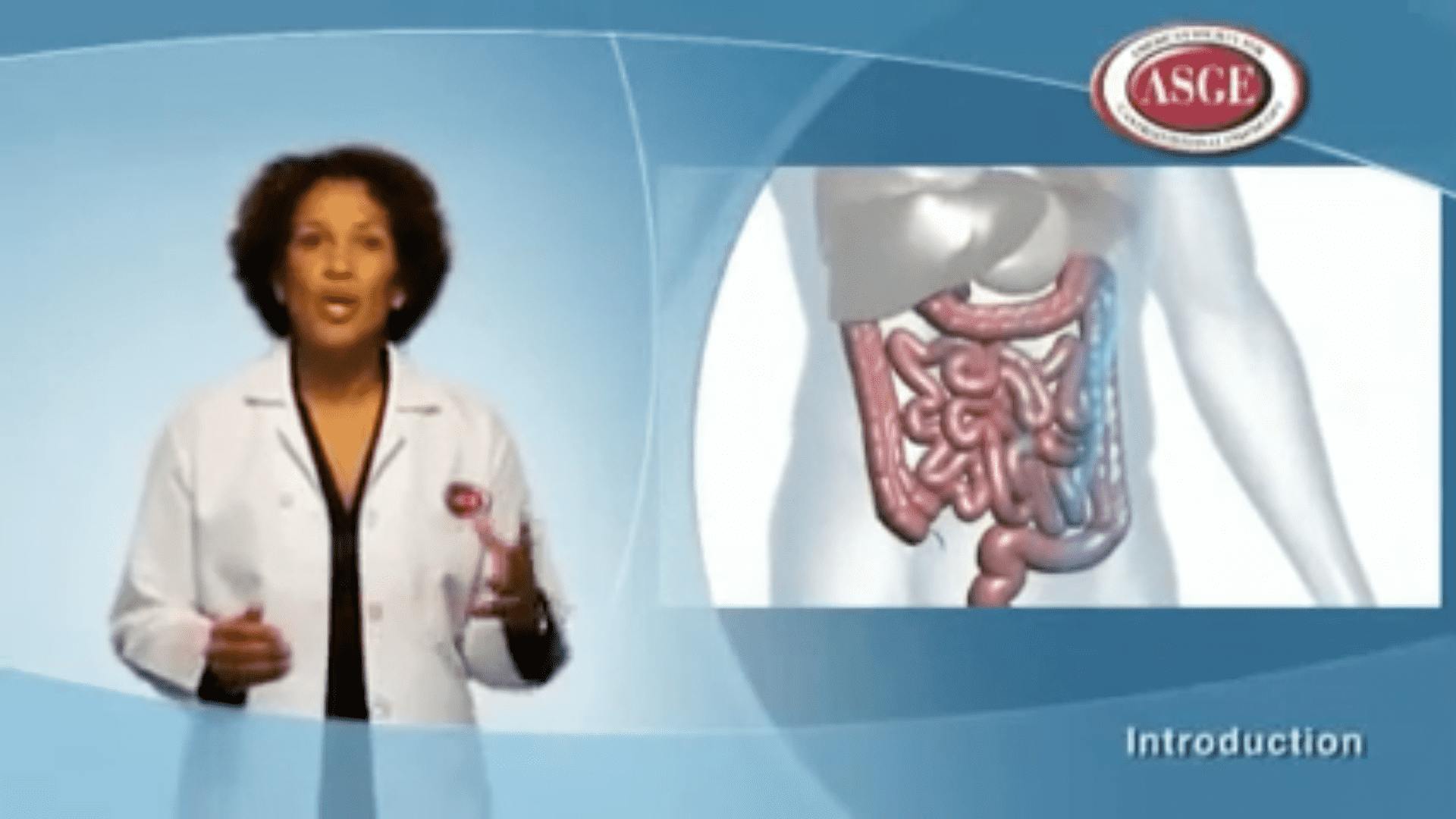
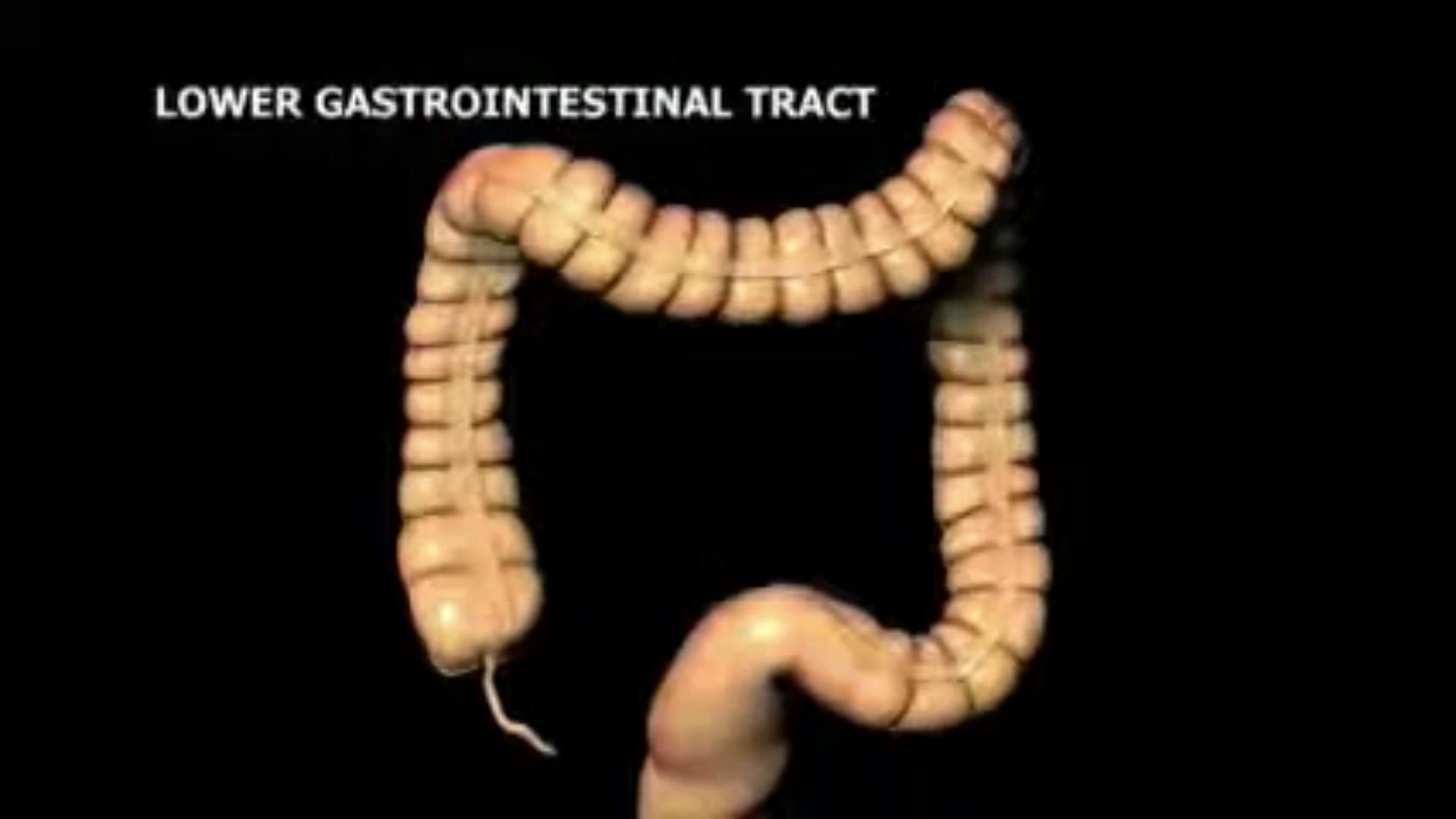
A colonoscopy is a procedure that allows your doctor at Peak Gastroenterology Associates to examine the inside of your rectum and colon. To perform this examination, your doctor uses a colonoscope, which is a narrow, flexible tube outfitted with lighting and a video camera. After inserting the colonoscope through your rectum, your doctor gently advances the scope to the end of your large intestine and slowly withdraws it. As the colonoscope travels through the intestine, it sends a magnified view of the intestinal lining to a monitor, allowing your doctor to identify and treat problems. Colonoscopies are often performed to screen for colon cancer and to find the cause of symptoms, such as rectal bleeding, persistent diarrhea, constipation, and abdominal pain.

Conditions Diagnosed or Prevented With Colonoscopy in Denver

A colonoscopy allows our gastroenterology team to examine the entire colon and rectum to identify abnormalities, inflammation, or early signs of disease. This procedure is one of the most effective tools for both diagnosing digestive conditions and preventing serious complications before they develop.

Conditions commonly diagnosed or prevented through colonoscopy include:

  • Colon polyps
  • Colorectal cancer
  • Inflammatory bowel disease (Crohn’s disease and ulcerative colitis)
  • Chronic diarrhea or constipation
  • Gastrointestinal bleeding
  • Diverticulosis and diverticulitis
  • Unexplained abdominal pain
  • Changes in bowel habits
  • Iron-deficiency anemia related to GI blood loss

By detecting and addressing concerns early, colonoscopy plays a critical role in protecting long-term digestive health for Denver patients.

Man carrying his daughter on his back outside

Who Should Get a Colonoscopy in Denver?

Colonoscopy is recommended for a wide range of patients, both for routine screening and for diagnostic evaluation. At Peak Gastro, our specialists assess each patient’s age, symptoms, family history, and overall health to determine when a colonoscopy is appropriate.

You may be advised to schedule a colonoscopy in Denver if you:

  • Are age 45 or older and due for colorectal cancer screening
  • Have a family history of colon cancer or polyps
  • Experience persistent changes in bowel habits
  • Notice blood in the stool or unexplained anemia
  • Have ongoing abdominal pain, diarrhea, or constipation
  • Have a history of colon polyps or inflammatory bowel disease
  • Receive a referral from a primary care provider or specialist

Early screening and timely evaluation can significantly reduce the risk of advanced colorectal disease.


Benefits of Colonoscopy

A colonoscopy in Denver is one of the most effective tools for maintaining digestive health and preventing serious disease. Key benefits include:

  • Early Detection of Colorectal Cancer: Colonoscopy allows physicians to identify precancerous polyps and early-stage cancers before symptoms develop, significantly improving outcomes.
  • Polyp Removal During Screening: Any suspicious growths found during the procedure can often be removed immediately, reducing the risk of future cancer.
  • Accurate Diagnosis of GI Symptoms: A colonoscopy helps pinpoint causes of abdominal pain, chronic diarrhea, rectal bleeding, or unexplained changes in bowel habits.
  • Peace of Mind: Normal results provide assurance and often extend the interval before the next recommended screening.
  • Personalized Preventive Care: Results guide individualized screening intervals and follow-up plans based on your risk and findings.
  • Minimally Invasive and Safe: Performed under sedation, colonoscopy is generally well-tolerated with a low risk of complications when conducted by experienced specialists.

What Happens If Something Is Found During a Colonoscopy?

If an abnormality is identified during your colonoscopy, your gastroenterologist can often address it immediately. Polyps may be removed during the procedure, and tissue samples can be collected for biopsy if needed.

Following your colonoscopy, your provider will review initial findings with you and explain whether additional testing, treatment, or follow-up care is recommended.

If biopsy results are pending, those findings are discussed once available, along with next steps tailored to your individual needs.

This comprehensive approach ensures patients receive timely answers and coordinated care without unnecessary delays.

What Should I Expect During a Colonoscopy?

Your colon must be cleaned so your Peak Gastroenterology Associates doctor can see the intestinal wall and identify problems. Before your colonoscopy, you’ll receive instructions about how to cleanse your colon, a procedure that typically includes a liquid diet and laxatives. On the day of your colonoscopy, you’ll receive sedation before your procedure. Some patients sleep, while others stay awake but are very relaxed and comfortable. Your doctor inflates the colon by gently pumping air and sterile water through the scope into the colon, then performs the colonoscopy.

A colonoscopy in Denver typically takes 20 to 60 minutes, depending on the number of polyps that need to be removed and any other problems that may need attention. You can go home after the medication wears off, which takes about an hour. To schedule a colonoscopy today, call Peak Gastroenterology Associates or use the online booking feature.

Colonoscopy What Patients Can Expect screenshot
Why Colonoscopy Screenshot

Why Colonoscopy

Preparing for a Colonoscopy Screenshot

Preparing for a Colonoscopy

Preparation, Safety, and Comfort for Denver Patients

Patient safety and comfort are central to every colonoscopy performed. Procedures are completed in accredited facilities using modern technology and carefully monitored sedation to ensure a smooth and controlled experience.

What patients can expect includes:

  • Clear bowel preparation instructions provided in advance
  • Sedation to keep you comfortable and relaxed
  • Continuous monitoring throughout the procedure
  • A recovery area with post-procedure observation
  • Detailed aftercare instructions before discharge

Most patients tolerate colonoscopy well and are able to return home the same day with minimal downtime.

Banner media

Colonoscopy FAQ

How long does a colonoscopy procedure take?

The actual colonoscopy procedure usually takes about 20 to 60 minutes, but the total time, including preparation and post-procedure recovery, can be around 2 to 3 hours. Patients typically arrive early to complete paperwork, get prepped, and receive sedation. After the procedure, you will need time to recover from sedation under observation.

What is the recovery time after a colonoscopy?

Recovery is generally quick. Most patients can leave the hospital or clinic the same day after the sedation wears off. You may feel drowsy or experience mild bloating or cramping, which should subside within a few hours. It is recommended to avoid driving, drinking alcohol, or making important decisions for 24 hours due to the lingering effects of sedation. You can usually return to your normal diet and activities the following day unless your doctor advises otherwise. If polyps were removed during the colonoscopy, you may have specific dietary or activity restrictions for a short time.

Does a colonoscopy hurt?

A colonoscopy is generally not painful. Most patients receive sedation or anesthesia, which helps them feel relaxed or even sleep through the procedure. You may feel some pressure, cramping, or bloating during or shortly after the exam, but these sensations are usually mild and temporary. After the procedure, it's normal to pass gas or feel slightly bloated, but discomfort typically resolves within a few hours.

What are the biggest risks of a colonoscopy?

Colonoscopy is considered a very safe procedure, especially when performed by an experienced specialist. However, as with any medical procedure, there are some risks to be aware of, including:

  • Bleeding - especially if a polyp is removed.
  • Perforation – a rare but serious risk involving a small tear in the colon wall.
  • Adverse reaction to sedation – such as breathing issues or allergic response.
  • Infection – uncommon, but possible.
  • Post-procedure discomfort – mild bloating or cramping may occur.

While complications are rare, your doctor will review your health history and monitor you closely to ensure your safety throughout the process.

Is weight loss after a colonoscopy normal?

Some patients may notice a small, temporary drop in weight following a colonoscopy. This is usually due to the bowel preparation process, which involves fasting and cleansing the colon with laxatives. This can result in water loss and reduced food content in the digestive system—not actual fat loss. Once normal eating resumes, weight typically returns to your baseline within a few days.

How much does a colonoscopy cost?

The cost of a colonoscopy varies based on your insurance coverage and whether the procedure is classified as preventive or diagnostic. Most insurance plans, including Medicare, cover screening colonoscopies at little or no cost to the patient. Our team is happy to help you navigate your benefits and provide guidance on what to expect before your procedure.

Schedule Your Colonoscopy Today

Don’t delay when it comes to protecting your digestive health. A colonoscopy is one of the most effective tools for detecting colon cancer, polyps, and other gastrointestinal conditions early, when treatment is most successful. Whether you are scheduling your first screening or returning for routine follow-up care, Peak Gastroenterology Associates is here to support you every step of the way. Our expert team is committed to helping Colorado patients take charge of their long-term GI health. Contact us today to schedule your colonoscopy and stay proactive about your well-being.

Notification popup

Lorem ipsum dolor sit amet, consectetur adipisicing elit. Ad alias animi commodi distinctio doloremque eum exercitationem facilis in ipsum iusto magnam, mollitia pariatur praesentium rem repellat temporibus veniam vitae voluptatum.

Lorem ipsum dolor sit amet, consectetur adipisicing elit. Ad alias animi commodi distinctio doloremque eum exercitationem facilis in ipsum iusto magnam, mollitia pariatur

Button

Contact us media
Peak Patient
Peak patient
Accessibility: If you are vision-impaired or have some other impairment covered by the Americans with Disabilities Act or a similar law, and you wish to discuss potential accommodations related to using this website, please contact our Accessibility Manager at (719) 636-1201.
Quick Scheduling Available

Get Seen Quicker in Lone Tree.

Fast, Convenient Appointments Available

Peak Gastro in Lone Tree has availability for colonoscopies, screenings, and diagnostic procedures within 1-2 weeks. Sometimes the next day. Don’t wait — call 303-424-2535 to schedule today!

Call Now to Get Scheduled Request an Appointment
Contact Us